CANstruction Reno 2026: Thank You for Building Hope
April 26, 2026


Heart disease remains the leading cause of death in the United States, and inadequate nutrition plays a significant role in increasing cardiovascular risk. For many families experiencing food insecurity, access to heart-healthy foods like fresh fruits, vegetables, whole grains, and lean proteins can be limited. Instead, they often rely on processed foods high in sodium, unhealthy fats, and added sugars, which contribute to high blood pressure, high cholesterol, and heart disease.
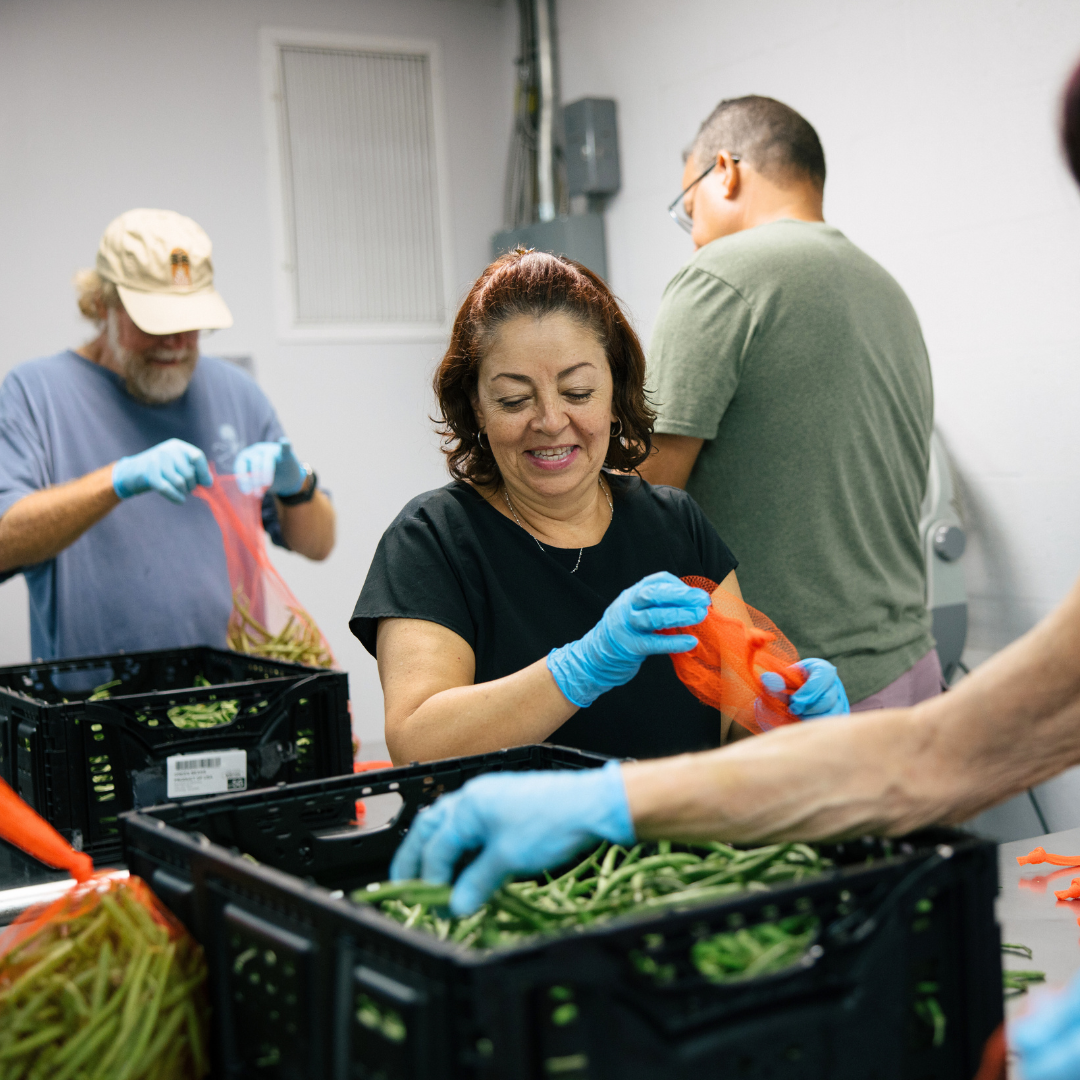
To contribute to heart healthy options, the Food Bank incorporates nutritious foods at its distributions and through our Prescription Pantry partners.
The Food Bank of Northern Nevada is committed to bridging this nutritional gap by providing fresh, healthy food to our neighbors. Through programs like Mobile Harvest and Prescription Pantry, the Food Bank ensures that families have access to the essential nutrients that promote heart health.
Cholesterol is a fatty substance found in the blood that is essential for building cells and producing hormones. However, having too much of the wrong type of cholesterol can increase the risk of heart disease.
Eating heart-healthy foods can help maintain a good balance between HDL and LDL cholesterol, reducing the risk of cardiovascular disease.
To contribute to heart healthy options, the Food Bank incorporates nutritious foods at its distributions and through our Prescription Pantry partners.
The Food Bank prioritizes distributing foods that support cardiovascular wellness, including:
Eating heart-healthy meals can be both delicious and simple. Here are some easy recipes that emphasize whole, nutritious ingredients:
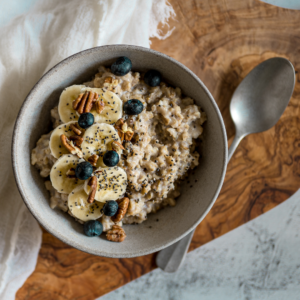
Ingredients:
Instructions:
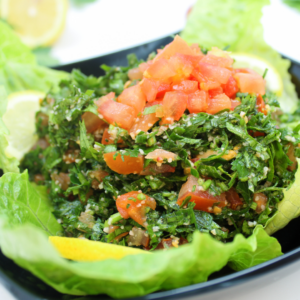
Ingredients:
Instructions:
For a little bit of heat, add 1 finely chopped jalapeno or serrano pepper.
Improving heart health involves making small, sustainable changes to daily nutritional habits. Here are some practical tips:
High sodium intake is a major contributor to high blood pressure, which increases the risk of heart disease. To lower sodium levels:
Dietary fiber helps lower LDL cholesterol and improves heart health. Good sources of fiber include:
Not all fats are bad—healthy fats like omega-3 and omega-6 fatty acids can reduce inflammation and improve cholesterol levels. Add these to your diet:
Physical activity complements a heart-healthy diet by improving circulation, boosting HDL cholesterol, and reducing stress. The American Heart Association recommends at least 150 minutes of moderate exercise per week.
Supporting healthy heart habits starts with ensuring that all of our neighbors and families across our communities have access to nutritious foods. Here’s how you can make a difference:
By working together, we can fight hunger, improve heart health, and create a stronger community!
550 Italy Drive
Sparks, NV 89437
Donations:
PO Box 50550
Sparks, NV 89435-0550
email@fbnn.org
775.331.3663
501(c)(3) Tax ID# 94-2924979


Stories of Impact Who We Are Who We Serve Programs & Services Board of Directors Staff Members Careers Financials Partner Agency Contact Us Blog FoodSource Newsletter
Neighborhood Pantry Meals for Kids Serving Seniors SNAP Help Health & Nutrition Food Finder
Impact Ambassadors Volunteer Food & Fund Drives Events Corporate Partners Food Donation Partnerships Advocate Learn About Hunger Become a Partner Become a Board Member
We’d love to tell you more about the impact you can make as part of our hunger-fighting team.
Subscribe to Our E-Newsletter